
Flooding: Environmentalist Faults Rivers Ad Hoc Committee, Calls for Permanent Agency.
By Onyekachi Nwosu
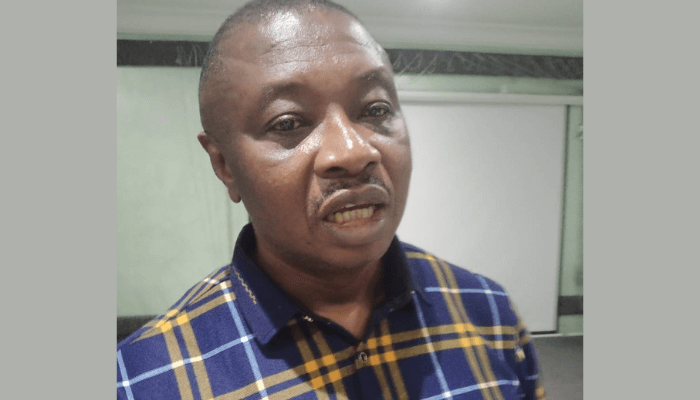
An environmentalist, Mike Karikpo, has criticised the Rivers State Government’s reliance on an ad hoc flood prevention committee, saying the state needs a permanent institution with the legal and technical capacity to tackle the growing flood challenge.
Karikpo, the Country Director of Natural Justice, said flooding was a global environmental challenge that was not going away and therefore required a permanent and professionally managed response rather than temporary committees constituted from time to time.
His comments followed indications that the Rivers State Government may reconstitute its Flood Prevention and Management Committee as it prepares to respond to flooding during the current rainy season.
A member of the 2025 Rivers State Flood Prevention and Management Committee, who spoke to our correspondent on condition of anonymity, said the committee was still in place and would soon meet to deliberate on measures to address the flooding situation in the state.
The committee member said the state government would also soon announce measures aimed at tackling the flooding, but added that the dissolution of the previous cabinet could lead to the reconstitution of the committee by Governor Siminalayi Fubara.
The development has raised fresh questions about the effectiveness and continuity of the state’s approach to flood management, particularly as several communities continue to experience flooding during the rainy season.
Reacting to the development, Karikpo argued that little would be achieved through an ad hoc committee without a legally established agency specifically responsible for flood management.
He told our correspondent that the absence of such an institution had made it difficult for the government to develop and sustain long-term solutions to the state’s flooding problems.
According to him, flooding should not be treated as an emergency that requires government attention only during the rainy season.
He said the phenomenon had become a global environmental challenge that required sustained planning, monitoring, infrastructure development and enforcement of environmental regulations.
Karikpo also identified indiscriminate dumping of waste on waterways as a major contributor to flooding in Oyigbo, rejecting suggestions that poorly constructed roads were primarily responsible for the problem.
He said blocked waterways prevent rainwater from flowing freely, causing water to accumulate in residential areas and other low-lying communities.
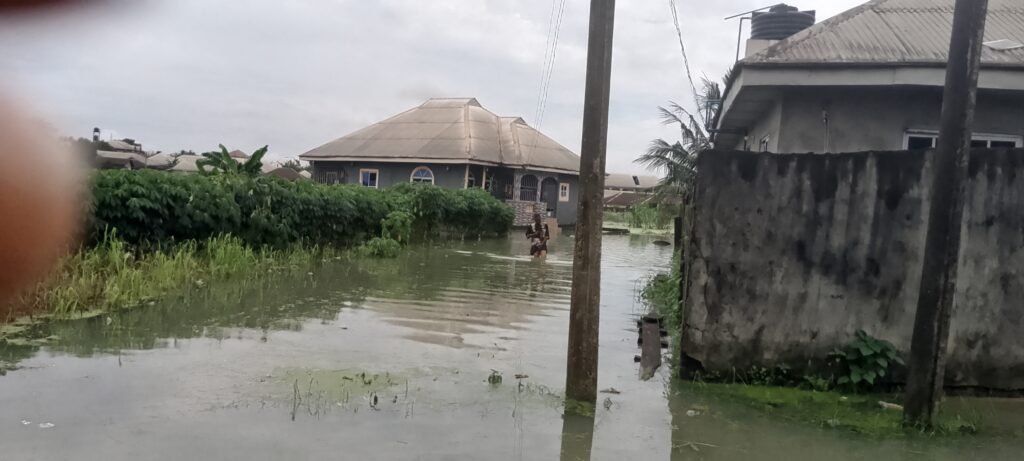
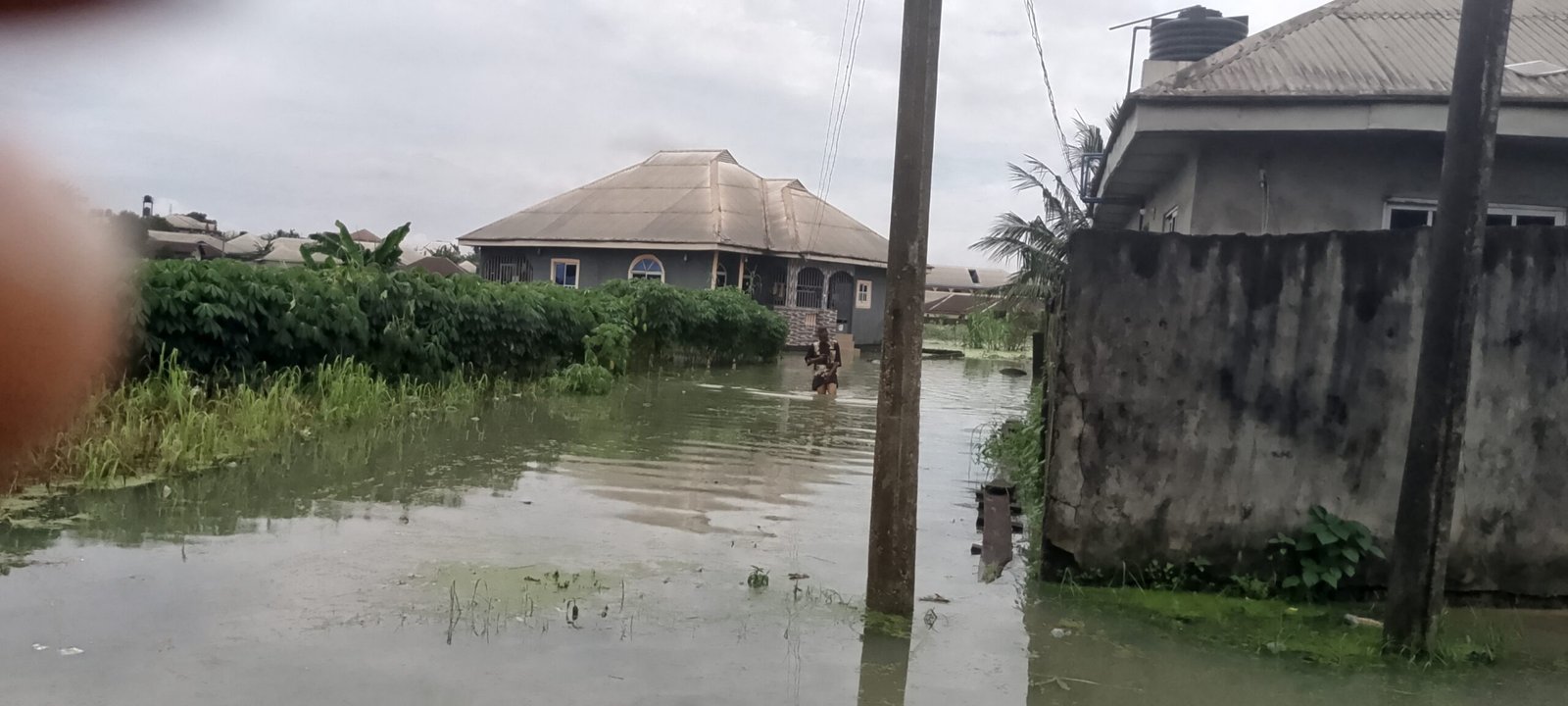
His position comes against the backdrop of renewed flooding in parts of Oyigbo Local Government Area, where residents have reported damage to homes, businesses and other property.
Communities affected by the flooding have also raised concerns about the recurring nature of the problem, with residents calling for measures that would address the causes of flooding rather than relying mainly on relief efforts after disasters occur.
For residents, the challenge goes beyond the immediate inconvenience caused by floodwaters. Repeated flooding can damage household property, disrupt businesses, affect access to roads and other public facilities, and place additional financial pressure on families already struggling with rising living costs.
The debate over the state’s flood management structure therefore comes at a time when environmental concerns, urban expansion, blocked drainage channels and poor waste disposal are increasingly being linked to the severity of flooding in parts of Rivers State.
While the state government says measures are being considered and the flood committee remains in place, environmental advocates argue that a more permanent institutional framework is necessary to ensure that flood prevention continues beyond individual administrations and rainy seasons.
Karikpo’s call for a legally established agency also raises a broader question about how Rivers State should manage a problem that repeatedly affects its communities: whether flood management should remain the responsibility of temporary committees or be placed under a permanent institution with clearly defined powers, funding and technical responsibilities.
For now, residents in flood-prone communities are waiting for the government’s promised measures, while environmentalists insist that preventing future flooding will require sustained action long before the next heavy rainfall arrives.