
Rivers Farmers Risk Bankruptcy as Floods Destroy Farmlands, Threaten Food Production.
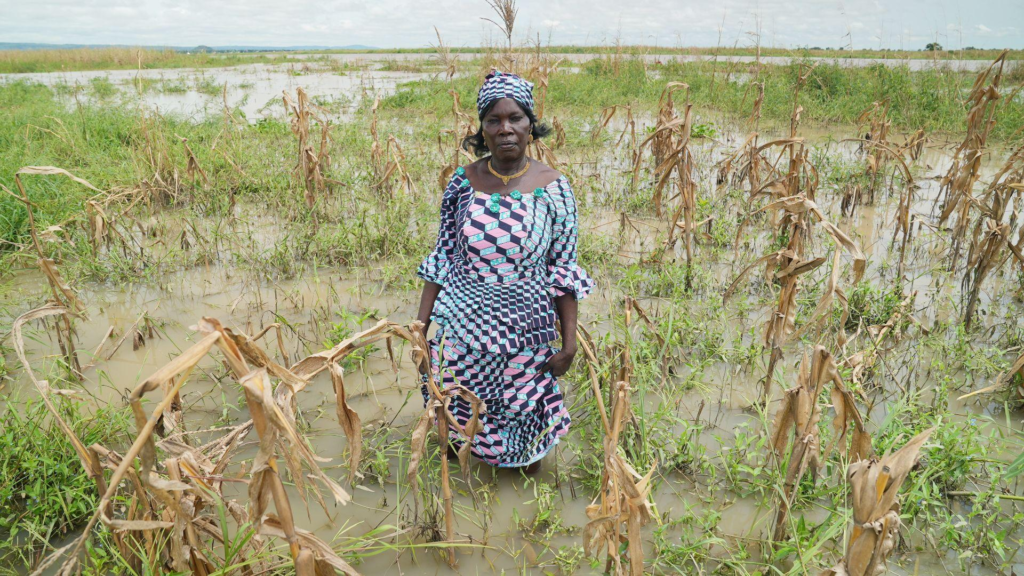
As the world marks World Food Day, concerns are mounting over the future of agriculture and food security in Rivers State following the destruction of farmlands and homes by recent flooding, with an agriculture consultant warning that many farmers could be pushed into bankruptcy without urgent government intervention.
Dr Okoro Charles says the scale of losses suffered by farmers across the state could have serious consequences for agricultural production, household incomes and food availability, particularly if affected farmers are unable to recover from the destruction of their investments.
He spoke against the backdrop of growing concerns about the vulnerability of farming communities to flooding and other environmental challenges, which continue to threaten agricultural activities and the livelihoods of rural households.
According to him, the recent flooding not only destroyed farmlands but also affected homes, leaving many farmers to contend with the loss of their sources of livelihood at a time when they should be preparing for the next phase of agricultural production.
For farmers who depend largely on seasonal harvests for their income, the destruction of cultivated land represents more than the loss of crops. It also means losing the money, time and resources invested in preparing the land, purchasing farm inputs and maintaining their farms.
Dr Charles warns that unless affected farmers receive assistance, many may find it difficult to return to their farms and continue production.
He believes the consequences could extend beyond individual farmers, as reduced agricultural output may affect the availability of food and place additional pressure on consumers.
The agriculture consultant, however, does not absolve farmers of responsibility for the losses recorded. He attributes part of the problem to the actions and decisions of farmers, while also faulting the government for failing to provide adequate support and intervention.
His position raises questions about the need for greater collaboration between government authorities and farming communities in addressing the challenges confronting agriculture in Rivers State.
For a state with communities whose livelihoods depend partly on farming, the destruction of agricultural land has implications for both rural economic activities and the wider food supply chain.
The situation also highlights the need to strengthen support systems for farmers, particularly those operating in flood-prone communities. Such support could include access to agricultural loans, farm inputs, improved drainage infrastructure, flood-risk information and assistance to farmers whose investments have been destroyed.
Without effective intervention, farmers who have lost their crops may struggle to finance another planting season, potentially prolonging the effects of the flooding beyond the period of the disaster itself.
World Food Day, observed annually on October 16, provides an opportunity to draw attention to the importance of food production, sustainable agriculture and the need to protect the livelihoods of people who produce the food consumed by communities.
The situation in Rivers State therefore presents a reminder that food security is closely connected to the welfare of farmers and their ability to withstand environmental and economic shocks.
As discussions around food security continue, the warning by Dr Charles places renewed attention on the plight of flood-affected farmers and the need for practical measures to help them recover.
For many of these farmers, the challenge is no longer simply how to improve their harvests, but how to return to their farms after losing the investments on which their livelihoods depend.
The extent to which government responds to their situation could prove critical to the recovery of affected farming communities and the future of food production in Rivers State.