RIWAMA begins compulsory profiling of scrap dealers, recyclers and PET scavengers in Rivers
The Rivers State Waste Management Agency, RIWAMA, has commenced compulsory profiling of scrap dealers, waste recyclers, refurbishers and PET bottle scavengers operating across the state.
The Managing Director of the agency, Dr Dagogo Wokoma, said the exercise is part of efforts to identify genuine operators in the waste recovery sector, establish a comprehensive database and tackle activities that could undermine waste management and public infrastructure in the state.
Wokoma disclosed this in a statement, explaining that the profiling exercise would help RIWAMA have a clearer picture of people and businesses involved in scrap dealing, recycling, refurbishment and the collection of PET bottles.
According to him, the agency needs reliable information on operators within the sector to enable it to distinguish legitimate businesses from individuals allegedly involved in illegal activities.
He said the exercise is also intended to address concerns relating to theft, vandalism, harassment and other activities associated with some unregulated operators.
The RIWAMA boss said the agency had received complaints and observed situations in which some scavengers allegedly interfere with waste management operations and public facilities while searching for recyclable materials.
He accused some scavengers of vandalising government facilities in the course of their activities and of tearing open properly bagged waste in search of items they consider valuable.
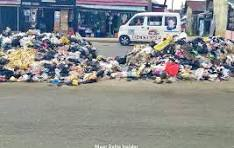
According to Wokoma, such practices create additional sanitation problems because waste that has already been properly packaged for collection is scattered across roads and other public spaces.
He argued that the activities could undermine efforts by the state government to improve environmental sanitation and maintain a cleaner urban environment.
RIWAMA targets illegal scavenging
Wokoma also expressed concern over what he described as the activities of people who patronise unregulated scavengers.
He described such patrons as accomplices in the illegal activities and called for a concrete plan to bring unregulated scavenging under control.
The RIWAMA MD said the agency’s objective is not simply to restrict people who make a living from recyclable materials, but to establish a system through which genuine operators can be identified and their activities properly monitored.
He said this would also provide a framework for addressing cases where waste recovery activities allegedly cross the line into vandalism, theft or other unlawful practices.
The agency’s move is significant because the recovery of recyclable materials has become an important part of solid waste management.
Scrap metals, plastics and PET bottles can be recovered from the waste stream and reused or processed, reducing the amount of waste that eventually ends up in dumpsites, drains and other disposal locations.
However, the absence of effective regulation can create challenges, particularly where scavengers operate without clear identification or oversight.
Operators given one month to comply
RIWAMA said anyone involved in scrap dealing, recycling, refurbishment or PET bottle collection in Rivers State is required to participate in the profiling exercise.
According to the agency, operators must obtain and complete a profiling form, attach the required documents and submit the completed information to RIWAMA within one month.
The agency said the deadline is intended to give operators sufficient time to regularise their activities and provide the information required for verification.
After the one month, RIWAMA says its enforcement teams will commence operations to ensure compliance.
The agency has also developed a verification application which, according to Wokoma, will allow field officers to scan and confirm the identities of operators during enforcement and monitoring activities.
The digital verification system is expected to make it easier for enforcement personnel to determine whether an operator has been profiled and recognised by the agency.
Wokoma warned that operators who fail to provide the required information would be acting in contravention of the relevant RIWAMA law.
He urged people involved in the sector to comply with the profiling exercise rather than wait until enforcement operations begin.
A push for better regulation of waste recovery
The development comes as authorities continue to grapple with the challenges of solid waste management across Rivers State.
While recycling and waste recovery can help reduce the volume of waste requiring final disposal, the process also requires effective regulation to ensure that recyclable materials are recovered without creating additional environmental or security problems.
For RIWAMA, the profiling exercise could provide the agency with a clearer understanding of the size and structure of the waste recovery sector in the state.
A reliable database could also help the agency identify legitimate operators, monitor their activities and take action where individuals or businesses are found to be operating outside the approved framework.
The success of the exercise, however, will depend on the level of compliance among operators and the ability of RIWAMA’s enforcement teams to apply the rules consistently.
The agency is therefore urging all scrap dealers, recyclers, refurbishers and PET bottle scavengers operating in Rivers State to take advantage of the one-month window to complete the profiling process and regularise their operations.