
RIWAMA urges Port Harcourt residents to stop using cart pushers for waste disposal
by Onyekachi Nwosu
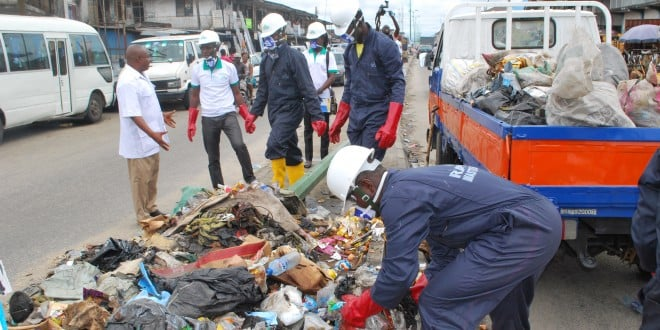
The Rivers State Waste Management Agency, RIWAMA, has urged residents of the state to stop patronising cart pushers to dispose of their household waste, warning that the practice is contributing significantly to indiscriminate dumping across Port Harcourt.
The Managing Director of RIWAMA, Dr Dagogo Wokoma, made the call during an interview with journalists, where he expressed concern over the growing problem of refuse being dumped at unauthorised locations across the city.
According to him, the activities of cart pushers have become one of the major challenges confronting efforts to maintain a clean and healthy environment in Port Harcourt.
Wokoma said some residents engage cart pushers to remove waste from their homes without knowing or caring where the refuse eventually ends up.
He explained that, in many cases, the waste is moved from residential areas and dumped along roads, drainage channels, open spaces and other locations that are not approved by the government.
The RIWAMA boss particularly expressed concern over the dumping of refuse on the medians of major highways.
He said such activities are often carried out at inappropriate times, leaving heaps of waste along busy roads and creating an unsightly environment for residents and visitors.
Wokoma said the problem goes beyond the appearance of the city, as indiscriminate waste disposal can have serious consequences for public health, drainage systems and the overall environment.
When refuse is dumped indiscriminately, he explained, plastics and other solid waste materials can find their way into drainage channels and waterways.
Such blockages can restrict the free flow of stormwater, particularly during periods of heavy rainfall, and increase the risk of flooding in vulnerable communities.
The RIWAMA managing director therefore appealed to residents to take responsibility for the proper disposal of their waste by using approved waste collection arrangements rather than handing refuse to unregulated cart pushers.
He said residents have an important role to play in the success of the state’s waste management efforts, stressing that government agencies cannot keep the city clean without the cooperation of the people.
RIWAMA warns against illegal dumping
Dr Wokoma also appealed to residents to stop dumping refuse in unapproved areas.
He said the agency was concerned about the continued practice of disposing of household waste on roadsides, open spaces and other locations that are not designated for waste disposal.
The RIWAMA boss urged residents to see proper waste disposal as a shared responsibility rather than leaving the entire burden to the government.
He said keeping Port Harcourt clean requires cooperation between the government, residents, businesses, community leaders and other stakeholders.
According to him, residents should also be mindful of the people they engage to remove waste from their homes and businesses.
He advised them to ensure that waste collectors they patronise operate within the approved waste management system, rather than simply paying anyone with a cart to take the refuse away.
The call comes amid continuing concerns over the appearance of some parts of Port Harcourt, where refuse is frequently seen along major roads and in open spaces.
For environmentalists and residents, the problem is not simply about the presence of waste on the streets. Poorly managed solid waste can affect drainage, contaminate the environment, and create conditions that make communities more vulnerable to flooding and other environmental hazards.
The improper disposal of plastic bottles, nylon bags, food packaging and other materials is particularly problematic because many of these materials do not decompose easily. When they accumulate in drainage channels, they can obstruct the movement of water and worsen flooding during heavy rainfall.
Residents remain critical to waste management
RIWAMA’s appeal highlights the important role residents play in determining how waste is managed after it leaves their homes.
The agency’s position is that paying someone to remove waste does not necessarily mean the waste has been properly disposed of.
Where waste is collected by unregulated operators and later dumped indiscriminately, the problem is effectively transferred from one location to another.
This means that efforts to improve sanitation in Port Harcourt will require not only more effective waste collection but also greater public awareness and compliance with approved disposal practices.
Residents can also help by reducing indiscriminate dumping, keeping waste away from drainage channels and reporting unauthorised dumping where necessary.
For RIWAMA, the challenge is therefore a shared one.
While the agency is responsible for managing solid waste across the state, residents and businesses also have a responsibility to ensure that the waste they generate does not end up on roads, in drains, waterways or other unauthorised locations.
The agency’s latest appeal is consequently aimed at changing the practice of simply getting waste out of the home without considering where it ultimately ends up.
As Port Harcourt continues to expand, the management of solid waste is likely to remain an important environmental and public health issue, making cooperation between RIWAMA and residents critical to maintaining a cleaner and healthier city.